Why Experienced Pilots Are Critical for Your Hiring Strategy
Friday, March 20, 2026
Jess Miller
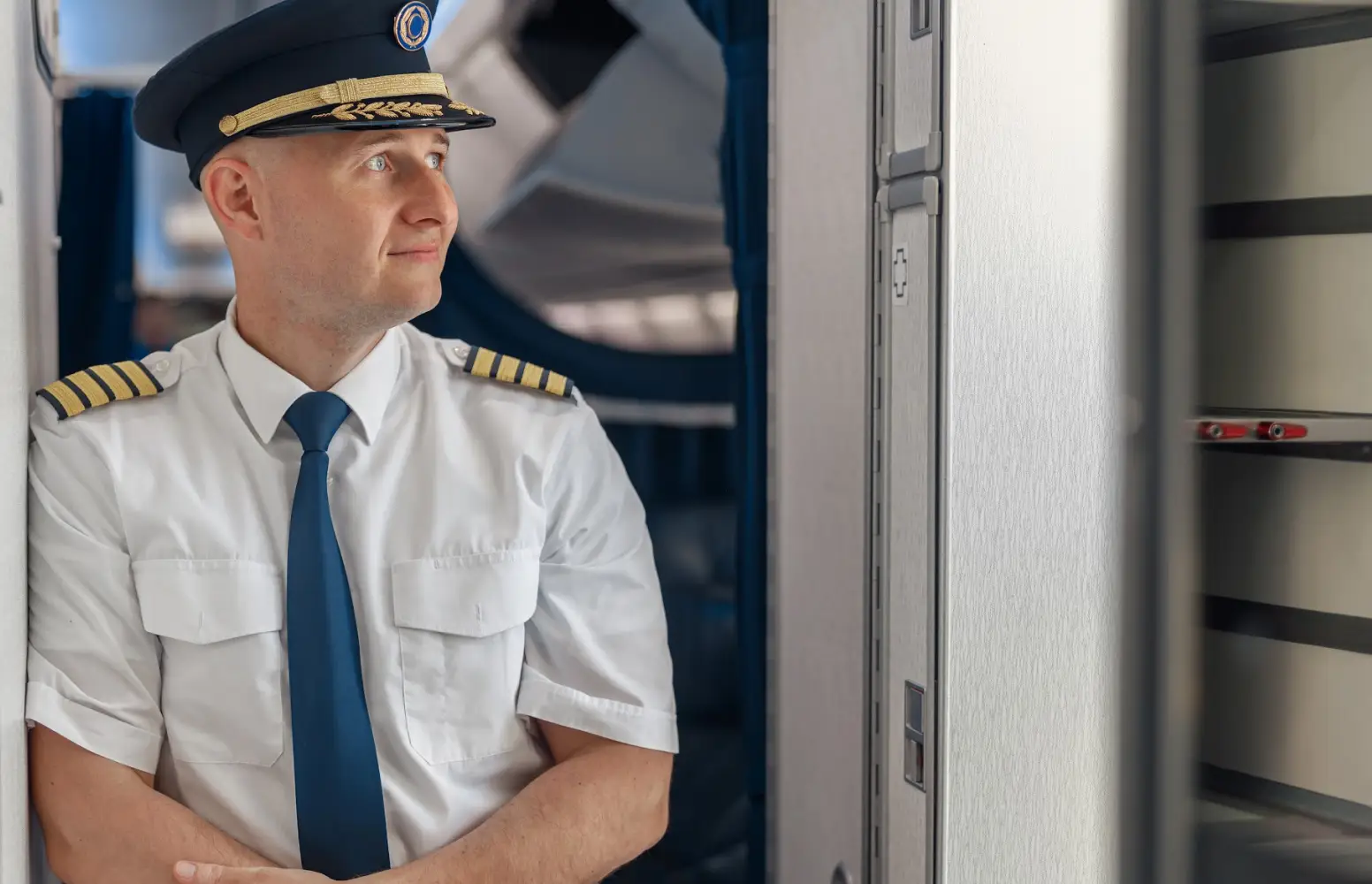
The aviation industry has faced a pilot shortage for years, but for those managing recruitment in 2026, the challenge has evolved.
As we observed at the Pilot Expo in Brussels, the issue comes not just from a lack of pilots, but from a lack of senior, experienced professionals.
While Boeing and Airbus project a need for roughly 600,000 new pilots over the next decade to support fleet expansion, the need is highest at the senior level. As the industry has observed, airlines can train cadets and develop junior first officers over time, but they cannot manufacture captains quickly, and that is where the gap is widest.
Navigating the "Command Gap"
This scarcity of senior pilots is forcing airlines to rethink traditional recruitment strategies. Historically known for rigid hiring criteria, many airlines are now relaxing restrictions and "bending the rules" to access a larger talent pool. This shift often requires the airline to absorb the high costs of bridging the experience gap through internal training, such as providing type ratings that were previously a prerequisite for employment. While this creates a frustrating environment for hiring managers, it represents a significant shift in leverage for pilots with high-time experience who now find themselves in demand more than ever.
Retirement Widens The Experience Gap
In most major markets, commercial pilots must stand down at age 65, leading to a steady drain of the most experienced crew members, a loss that training pipelines are struggling to keep up with.
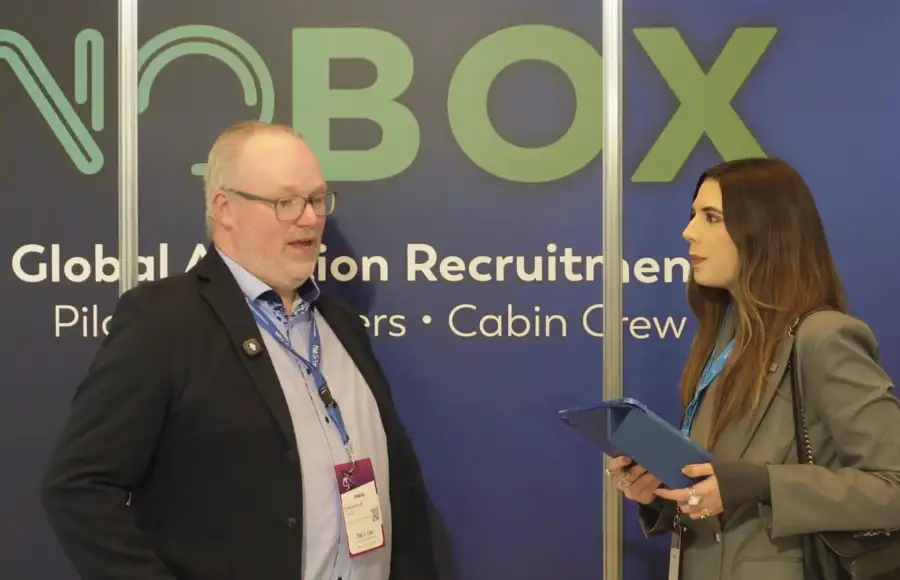
Francis Farrell, Director of Nobox, sees this imbalance directly. He notes that 80% of what they do is looking at experienced pilots, stating that "getting yourself in with a level of flying 500 hours plus, top hours of maybe 15,000 is where you need to get, and once you get there, all the doors open." For hiring strategies, this 500 to 15,000-hour window represents the most commercially attractive cohort because these pilots are immediately useful but not yet approaching retirement.
The Challenge of Filling Captain Vacancies
The most difficult seats to fill remain the captain roles. Recruiters are reporting that these vacancies are staying open longer than ever before, forcing airlines to revise their baseline requirements to get them filled at all. Daniella Baker, Aviation Recruitment Specialist at Resource Group, has seen this consistently throughout 2025 and 2026. She observes that "we're seeing a lot of captain roles available at the moment - there seems to be a real demand for captains; a real shortage of pilots in general, but particularly captains."
This is a difficult problem to solve; unlike other technical roles, you cannot simply offer more money to accelerate the supply of command time. Those hours must be accumulated over years, meaning any shortage at the top takes years to correct through natural progression alone.
The Rise of The Accelerated Command Pathway
The industry is seeing a marked increase in non-type rated recruitment. Francis Farrell explains that while airlines have a "perfect candidate" in mind - someone fully trained who lives near the base, they know these people aren't available anymore, so they are "starting to bend the rules to get a bigger portion of what they need." One of the most significant shifts is the rise of the accelerated command pathway. Francis Farrell highlights that if an airline finds a strong first officer who is not quite command-ready, they are "very hot candidates at the moment, so moving to a new airline with pretty much a guarantee of command in maybe six months is something we see a lot of."
Looking ahead
The pilot shortage is not simply a question of numbers. For employers, it is increasingly a question of experience, capability, and competitiveness.
Airlines that are able to attract, retain, and effectively utilise experienced pilots will be better positioned to manage growth, maintain operational stability, and navigate an evolving global market.
As the industry continues to adapt, one thing remains clear: experience is no longer just an asset, it is a critical component of a sustainable hiring strategy.
If you need help focusing your hiring strategy to attract senior captains, let’s talk. Aviation Job Search provides the tools and network to ensure your vacancies reach the right candidates at the right time.
Contact Aviation Job Search today to find out how we can support your recruitment goals.
About Aviation Job Search
Specialising in aviation recruitment, we give airlines and companies the tools to connect with aviation professionals so they can grow. Find out how we can help you today.